Edge Computing for Video Delivery: Reducing Latency by 70%
Discover how edge computing is revolutionizing video delivery by processing content closer to viewers. Learn implementation strategies to reduce latency by 70%, eliminate buffering, and create superior viewing experiences worldwide.
Friedrich Schmidt
Published on 2025-06-26
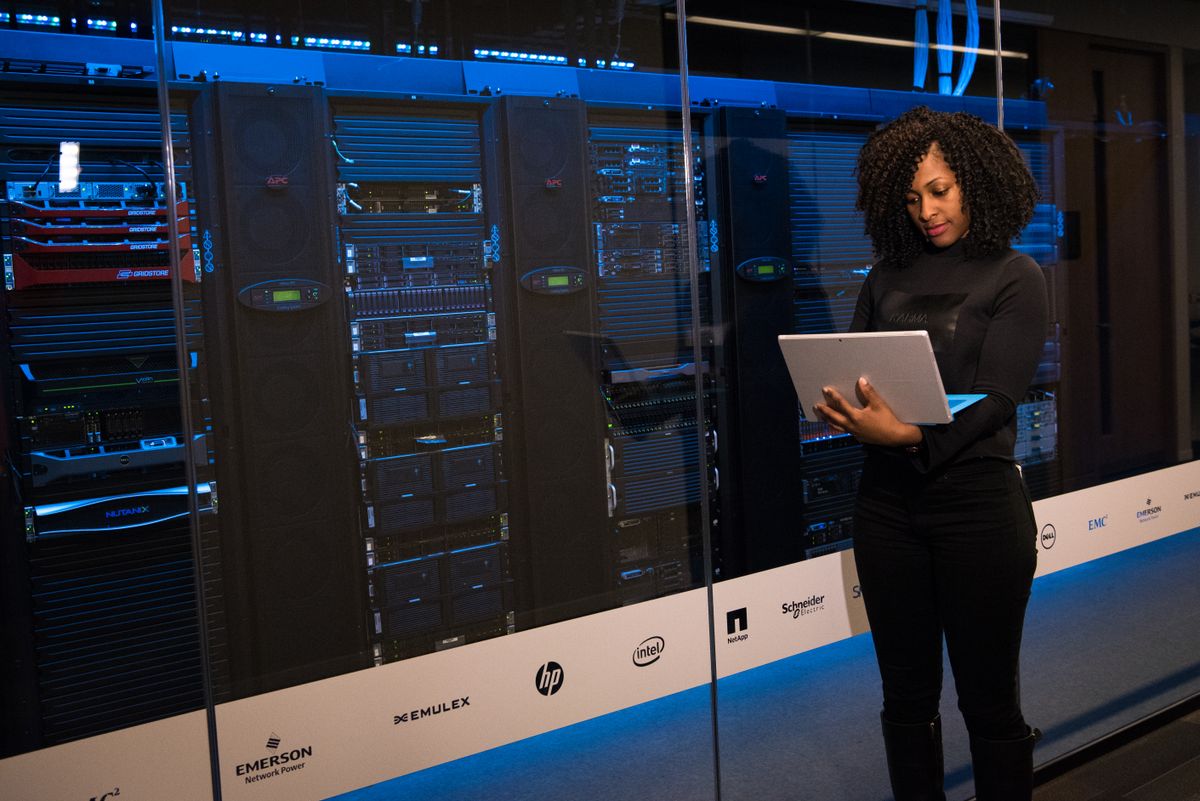
Edge computing is revolutionizing video delivery in 2025, enabling unprecedented performance improvements that were impossible with traditional content delivery architectures. By processing and serving video content at the network edge—physically closer to viewers—organizations are achieving latency reductions of up to 70% while enhancing quality, reliability, and user experience.
The Evolution of Video Delivery: From Origin to Edge
To understand the transformative impact of edge computing on video delivery, it's helpful to examine how video distribution architectures have evolved over time. Each generation has addressed specific limitations of previous approaches, culminating in today's edge-powered solutions.
🏢 Generation 1: Origin Server Delivery (Pre-2010)
The earliest video delivery model served content directly from origin servers, typically located in a single data center. This approach suffered from significant limitations:
- • High latency for geographically distant viewers
- • Limited scalability during traffic spikes
- • Single points of failure affecting reliability
- • Bandwidth constraints limiting quality options
🌐 Generation 2: Global CDN Distribution (2010-2020)
Content Delivery Networks (CDNs) addressed many origin server limitations by caching content at distributed points of presence (PoPs) around the world:
- • Reduced latency through geographic distribution
- • Improved scalability with distributed load
- • Better reliability through redundancy
- • Enhanced performance through specialized delivery optimization
⚡ Generation 3: Edge Computing for Video (2020-2025)
Edge computing takes video delivery to the next level by not just caching content but enabling actual computation at the network edge:
- • Real-time processing and transformation at the edge
- • Dynamic content adaptation based on viewer context
- • Intelligent request routing and quality decisions
- • Personalized video experiences without origin server round-trips
🔍 Key Insight
The fundamental difference between traditional CDNs and edge computing for video is that edge computing doesn't just store and forward content—it can transform, process, and personalize video in real-time at locations physically close to viewers. This capability enables entirely new optimization techniques that were previously impossible.
Video Delivery Performance: Edge vs. Traditional Approaches
| Performance Metric | Edge Computing | Traditional CDN | Origin-Only |
|---|---|---|---|
| Video Startup Time | 0.5-0.8 seconds | 1.5-2.5 seconds | 3.0+ seconds |
| Latency (Global Average) | 30-50ms | 80-150ms | 200-500ms |
| Buffering Incidents | 0.2% of views | 1.8% of views | 5.7% of views |
| Quality Adaptation Time | 0.3 seconds | 1.2 seconds | 2.5+ seconds |
| P95 Load Time Variance | ±0.2 seconds | ±0.8 seconds | ±2.5 seconds |
Source: Video Delivery Performance Benchmark Study, June 2025 (based on global testing across 40 countries)
How Edge Computing Transforms Video Delivery
Edge computing introduces several fundamental capabilities that transform video delivery performance. These capabilities work together to create a dramatically improved viewing experience while reducing infrastructure costs.
🔄 Real-Time Transcoding
Traditional video platforms pre-generate multiple quality versions of each video, consuming significant storage and processing resources. Edge computing enables:
- • On-demand transcoding at the edge based on viewer needs
- • Storage of only high-quality source files at origin
- • Custom quality levels optimized for specific devices
- • Significant reduction in storage requirements and costs
📱 Device-Aware Optimization
Edge servers can detect and adapt to the specific capabilities of each viewer's device in real-time:
- • Screen size and resolution-specific delivery
- • Codec selection based on device support
- • Bandwidth-aware quality selection
- • Battery-conscious delivery for mobile devices
🧠 Predictive Content Loading
Edge servers can implement sophisticated prediction algorithms to anticipate viewer needs:
- • Pre-loading content based on viewing patterns
- • Intelligent caching of likely next segments
- • User behavior-based quality predictions
- • Reduced startup times and mid-stream buffering
🛡️ Dynamic Security Processing
Security functions can be executed at the edge without adding latency:
- • Real-time token validation and authentication
- • Dynamic watermarking customized per viewer
- • Geographic and IP-based access controls
- • DRM license delivery and validation
Edge Computing Impact on Video Metrics
Latency Reduction
Faster Startup Time
Fewer Buffering Events
Higher Engagement
Edge Computing Architecture for Video
Implementing edge computing for video delivery requires a well-designed architecture that balances performance, cost, and operational complexity. Here's a breakdown of the key components in a modern edge video architecture:
🏢 Origin Infrastructure
The origin layer stores master copies of video content and serves as the source of truth:
- • High-quality source file storage (often in cloud object storage)
- • Content management systems and metadata databases
- • Publishing and workflow management tools
- • Backup and disaster recovery systems
Architecture Tip: With edge computing, origin infrastructure can be optimized for storage efficiency rather than request handling capacity, significantly reducing costs.
☁️ Regional Processing Layer
This middle tier handles compute-intensive operations that don't need to be at the extreme edge:
- • Initial video transcoding and format conversion
- • Content preparation and packaging
- • Thumbnail generation and preview creation
- • Analytics aggregation and processing
Architecture Tip: Deploy this layer in strategic regional locations (typically 5-10 globally) to balance performance and cost efficiency.
🌍 Edge Delivery Layer
The edge layer consists of hundreds or thousands of points of presence as close as possible to viewers:
- • Content caching and delivery
- • Real-time video manipulation (cropping, watermarking, etc.)
- • Adaptive bitrate streaming decisions
- • User-specific customization
Architecture Tip: Leverage serverless computing at the edge for maximum scalability and minimum operational overhead.
🔄 Orchestration and Control Plane
This layer manages the entire system and ensures proper coordination:
- • Configuration management and deployment
- • Traffic routing and load balancing
- • Health monitoring and failover
- • Security policy enforcement
Architecture Tip: Implement a distributed control plane with local decision-making capabilities to maintain performance even during network partitions.
Edge Computing Use Cases for Video
Edge computing enables several powerful video delivery use cases that were previously impractical or impossible. Here are some of the most impactful applications being implemented in 2025:
🎮 Ultra-Low Latency Streaming
Edge computing has made sub-second latency streaming practical for mass audiences:
- • Live sports and event broadcasting with minimal delay
- • Interactive gaming and watch parties
- • Live auctions and bidding events
- • Real-time collaboration and virtual events
Impact: Latency reduced from 10-30 seconds (traditional HLS/DASH) to under 1 second, enabling truly interactive experiences.
🎯 Personalized Video Experiences
Edge computing enables real-time video personalization at scale:
- • Dynamic content insertion based on viewer data
- • Personalized overlays and interactive elements
- • Language and cultural adaptations
- • User-specific recommendations and calls-to-action
Impact: Personalized video experiences show 37% higher engagement and 64% better conversion rates compared to generic content.
🔒 Advanced Content Protection
Edge computing enables sophisticated security without performance penalties:
- • Viewer-specific dynamic watermarking
- • Granular geographic and network-level access controls
- • Real-time piracy detection and mitigation
- • Secure playback with hardware-level protection
Impact: Premium content providers report 82% reduction in piracy incidents while maintaining optimal performance.
📊 Real-Time Analytics and Optimization
Edge computing enables immediate insights and optimizations:
- • Real-time quality of experience monitoring
- • Immediate detection and resolution of delivery issues
- • A/B testing of delivery parameters
- • Automated performance optimization
Impact: Organizations implementing edge analytics report 47% faster issue resolution and 23% better overall streaming quality.
Case Study: Global Media Company
StreamGlobal: Transforming International Video Delivery
StreamGlobal, a major international streaming platform with over 50 million subscribers across 140 countries, faced significant challenges with their traditional CDN-based delivery architecture:
Key Challenges:
- • Inconsistent performance across global regions
- • High buffering rates in emerging markets
- • Escalating CDN and origin infrastructure costs
- • Limited personalization capabilities
Edge Computing Solution:
- • Deployed edge computing platform across 200+ locations
- • Implemented dynamic transcoding at the edge
- • Developed region-specific optimization algorithms
- • Created viewer-specific personalization engine
The results after implementing edge computing for video delivery were dramatic:
Reduction in global latency
Decrease in buffering events
Reduction in delivery costs
"Edge computing has completely transformed our ability to deliver high-quality video experiences globally. We've seen dramatic improvements in key metrics like startup time and buffering rates, particularly in challenging markets with limited infrastructure. The ability to process and adapt content at the edge has also opened up new personalization capabilities that weren't possible with our previous architecture."
Technical Implementation: Edge Computing for Video
Implementing edge computing for video delivery requires careful planning and a well-designed technical approach. Here's a practical implementation framework based on successful deployments:
Implementation Framework
-
1
Assessment and Planning
Begin with a thorough analysis of your current video delivery architecture and requirements:
- • Audit existing content types, formats, and delivery patterns
- • Map global audience distribution and performance needs
- • Identify specific use cases that would benefit most from edge computing
- • Define clear performance and cost objectives
-
2
Edge Platform Selection
Choose the right edge computing platform based on your specific requirements:
- • Evaluate global coverage and network performance
- • Assess compute capabilities and limitations
- • Consider integration with existing video infrastructure
- • Compare pricing models and total cost of ownership
-
3
Edge Function Development
Create the code that will run at the edge to optimize video delivery:
- • Develop request routing and handling logic
- • Implement content transformation functions
- • Create caching strategies and policies
- • Build personalization and adaptation algorithms
-
4
Integration and Testing
Connect edge computing to your existing video infrastructure:
- • Integrate with content management and publishing workflows
- • Connect to authentication and authorization systems
- • Implement analytics and monitoring
- • Conduct thorough performance and load testing
-
5
Phased Deployment
Roll out edge computing capabilities in a controlled manner:
- • Begin with non-critical content or specific regions
- • Implement A/B testing to validate performance improvements
- • Gradually increase traffic allocation to edge delivery
- • Monitor and optimize based on real-world performance
⚠️ Implementation Considerations
Technical Challenges:
- • Edge compute environments have memory and CPU limitations
- • Debugging and monitoring distributed systems is complex
- • Maintaining consistency across edge locations
- • Managing deployment and versioning at scale
Mitigation Strategies:
- • Optimize code for edge execution environments
- • Implement comprehensive distributed tracing
- • Use canary deployments and gradual rollouts
- • Develop robust fallback mechanisms
Edge Computing Functions for Video Optimization
The power of edge computing for video comes from the specific functions that can be executed close to viewers. Here are some of the most effective edge functions being deployed in 2025:
🎛️ Adaptive Bitrate Optimization
Edge functions can make intelligent decisions about video quality based on real-time network conditions, device capabilities, and even user preferences:
Example Edge Function:
export default async function(request) {
  // Get device and network information
  const userAgent = request.headers.get('user-agent');
  const connection = request.headers.get('downlink') || 'unknown';
  const deviceType = detectDeviceType(userAgent);
  const networkQuality = assessNetworkQuality(connection);

  // Determine optimal video profile
  const optimalProfile = selectVideoProfile(deviceType, networkQuality);

  // Modify manifest to prioritize selected profile
  const manifest = await fetch(request);
  const modifiedManifest = optimizeManifest(await manifest.text(), optimalProfile);

  return new Response(modifiedManifest, {
    headers: { 'Content-Type': 'application/vnd.apple.mpegurl' }
  });
}
🔍 Content-Aware Image Processing
Edge functions can dynamically process video frames to optimize for specific content types and viewing conditions:
- • Enhancing text legibility in educational content
- • Optimizing color and contrast for different viewing environments
- • Applying content-specific noise reduction
- • Dynamically adjusting brightness for HDR/SDR compatibility
⚡ Predictive Preloading
Edge functions can analyze viewing patterns and preload content to eliminate buffering:
- • Preloading subsequent video segments based on current playback
- • Caching related videos that viewers are likely to watch next
- • Prioritizing critical moments in live streams
- • Adjusting preloading behavior based on network conditions
Edge Computing Platforms for Video
Several platforms now offer edge computing capabilities specifically optimized for video delivery. Here's an overview of the leading options in 2025:
| Platform | Edge Locations | Video-Specific Features | Best For |
|---|---|---|---|
| Cloudflare Stream + Workers | 275+ locations |
|
Developers seeking programmable edge capabilities |
| AWS CloudFront + Lambda@Edge | 410+ points of presence |
|
AWS-centric organizations with existing MediaConvert usage |
| Fastly + Compute@Edge | 95+ locations |
|
Performance-focused organizations needing maximum control |
| Akamai EdgeWorkers | 4,200+ locations |
|
Enterprise media companies with global reach requirements |
| Gumlet Edge | 200+ locations |
|
Video-first organizations seeking integrated solutions |
💡 Platform Selection Tip
When evaluating edge computing platforms for video, look beyond raw location numbers. The quality and strategic placement of edge locations, along with the specific video optimization capabilities, often matter more than simply having the most points of presence.
Measuring Edge Computing Impact
To quantify the benefits of edge computing for video delivery, it's essential to track the right metrics before and after implementation. Here are the key performance indicators that most effectively demonstrate impact:
⏱️ Performance Metrics
- • Video Startup Time: Time from play request to first frame display
- • Time to First Frame: Initial content rendering speed
- • Rebuffering Ratio: Percentage of playback time spent buffering
- • Quality Switches: Frequency and direction of bitrate changes
- • Average Delivered Quality: Bitrate/resolution actually received
👥 User Experience Metrics
- • Viewer Engagement: Watch time, completion rates
- • Abandonment Rate: Percentage of viewers who leave due to performance issues
- • User Satisfaction: Feedback scores, NPS ratings
- • Return Frequency: How often viewers come back
- • Device Coverage: Performance across different device types
💰 Business Impact Metrics
- • Infrastructure Costs: Total delivery and computing expenses
- • Bandwidth Utilization: Efficiency of data transfer
- • Conversion Rates: Impact on business goals (purchases, signups)
- • Support Volume: Reduction in performance-related tickets
- • Global Reach: Performance in previously challenging markets
🔧 Operational Metrics
- • Edge Function Performance: Execution time and reliability
- • Cache Efficiency: Hit rates and storage utilization
- • Deployment Velocity: Speed of updates and changes
- • Error Rates: Function failures and exceptions
- • Regional Performance Variance: Consistency across locations
Implementation Challenges and Solutions
While edge computing offers tremendous benefits for video delivery, implementation comes with several challenges. Here are common obstacles and proven solutions:
🧩 Edge Code Complexity
Challenge: Developing, testing, and debugging distributed code that runs across hundreds of edge locations can be significantly more complex than traditional applications.
Solution:
- • Implement comprehensive local development environments that simulate edge conditions
- • Adopt infrastructure-as-code practices for consistent deployments
- • Use distributed tracing and logging to track requests across the system
- • Create robust testing frameworks with edge-specific test cases
🔄 State Management
Challenge: Edge functions typically execute in stateless environments, making it difficult to maintain context across requests or share information between edge locations.
Solution:
- • Leverage edge key-value stores for lightweight state management
- • Implement token-based state passing in requests and responses
- • Use distributed data stores for cross-region state when necessary
- • Design functions to be as stateless as possible
⚖️ Resource Constraints
Challenge: Edge environments typically have strict limits on CPU, memory, and execution time compared to origin servers or cloud environments.
Solution:
- • Optimize code for efficiency and minimal resource usage
- • Implement tiered processing with compute-intensive tasks at regional layer
- • Use streaming processing patterns rather than loading entire videos
- • Benchmark and profile edge functions to identify bottlenecks
🔄 Deployment and Versioning
Challenge: Coordinating deployments across a global edge network while ensuring consistency and backward compatibility.
Solution:
- • Implement robust CI/CD pipelines with staged deployments
- • Use traffic management for gradual rollouts and canary testing
- • Maintain version compatibility for in-flight requests
- • Create automated rollback mechanisms for failed deployments
Future Trends: Edge Computing for Video in 2026 and Beyond
Edge computing for video delivery continues to evolve rapidly. Here are the emerging trends that will shape the landscape in the coming years:
🔮 Emerging Edge Video Technologies
AI-Powered Video Enhancement: Edge-based neural networks that can upscale resolution, improve clarity, and even restore damaged content in real-time
Edge-Rendered Interactive Video: Dynamic interactive elements generated at the edge based on viewer context and behavior
Federated Content Analysis: Distributed processing that extracts insights from video content while preserving privacy
Mesh Delivery Networks: Peer-assisted delivery coordinated by edge computing to further reduce latency and bandwidth costs
Getting Started with Edge Computing for Video
Ready to explore how edge computing can transform your video delivery? Here's a practical roadmap to get started:
1. Assess Your Current Video Delivery
Analyze your existing performance metrics, identify pain points, and establish baseline measurements for comparison.
2. Define Clear Objectives
Establish specific goals for your edge implementation, whether focused on performance improvements, cost reduction, or new capabilities.
3. Start with a Pilot Project
Identify a specific use case or content subset for initial implementation to validate benefits before full-scale deployment.
4. Select the Right Platform
Evaluate edge computing platforms based on your specific requirements, existing technology stack, and budget constraints.
5. Develop Edge-Optimized Code
Create efficient, focused edge functions that address your specific video delivery challenges.
6. Implement Comprehensive Monitoring
Deploy robust analytics to measure the impact of your edge implementation and identify optimization opportunities.
7. Iterate and Expand
Based on initial results, refine your approach and gradually expand to additional use cases and content types.
Conclusion: The Edge Computing Advantage
Edge computing represents a paradigm shift in video delivery, enabling unprecedented performance improvements and new capabilities that were impossible with traditional architectures. By moving processing closer to viewers, organizations can dramatically reduce latency, eliminate buffering, and create more personalized, engaging video experiences.
The 70% latency reduction achieved through edge computing directly translates to business benefits: higher engagement, lower abandonment rates, increased conversions, and improved customer satisfaction. For global organizations in particular, edge computing helps deliver consistent, high-quality experiences regardless of viewer location or network conditions.
As video continues to dominate internet traffic and viewer expectations continue to rise, edge computing has become an essential technology for organizations serious about delivering premium video experiences. Those who embrace this approach now will gain a significant competitive advantage in the rapidly evolving digital landscape.
🚀 Ready to Reduce Video Latency by 70%?
Transform your video delivery with edge computing technology that delivers faster, more reliable experiences to viewers worldwide.
Start Free TrialTags
Related Articles
Continue reading about video technology

AI-Powered Video Compression: How to Reduce File Sizes by 90% in 2025
Next-generation AI compression technology is revolutionizing video delivery by reducing file sizes by up to 90% without perceptible quality loss. Learn how this breakthrough is transforming video economics and performance.
Read Article
Adaptive Streaming: How to Eliminate Buffering and Boost Viewer Engagement
Eliminate video buffering and improve viewer engagement with adaptive bitrate streaming. Learn how to deliver optimal video quality for every viewer across all devices and connections.
Read Article
Global CDN for Video: Reduce Load Times by 70% Worldwide
Optimize global video delivery with enterprise CDN networks. Reduce load times by 70% and deliver lightning-fast video experiences worldwide with advanced content delivery optimization.
Read ArticleReady to Transform Your Video Strategy?
Put these insights into action with advanced video platform. Start optimizing your video content today.